
Following two days diving Daedalus Reef we moved northward to Elphinstone Reef about 22 miles / 35 km east of Port Ghalib followed by Brothers 40 miles / 64 km further north for more oceanic type diving.
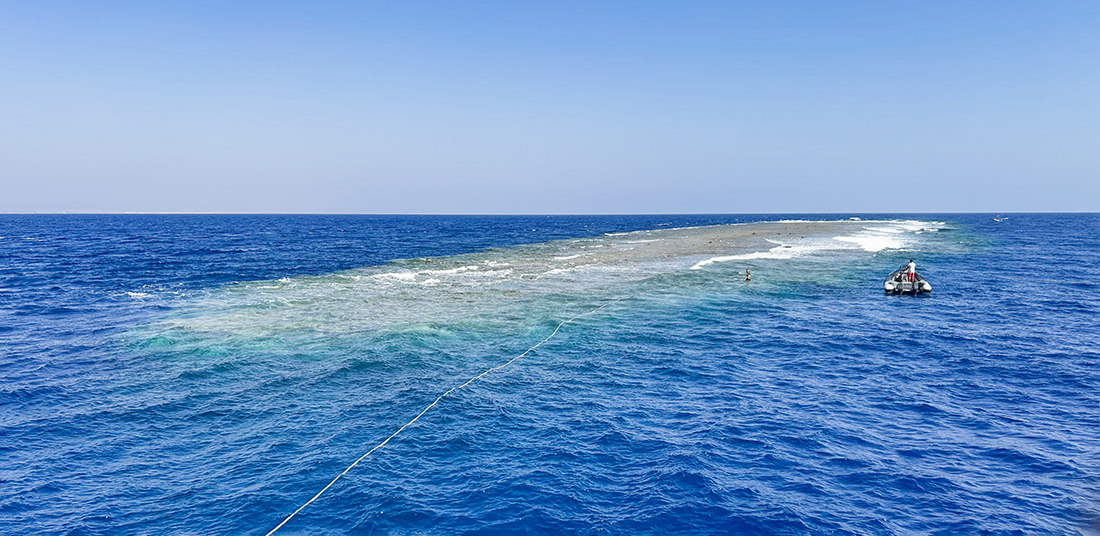
Similar in nature to Daedalus Reef, minus having a light house, Elphinstone (also known as Sha’ab Abu Hamra) is a standalone reef featuring underwater profile like so many reefs I come to find in the Red Sea that vault almost straight up the depths ending with a flat top a mere few feet from the surface. The likes of which can make for a really bad day for any ship not knowing or being able see where it is while travelling at night.
While it was just one stopover for on the Scuba Scene’s itinerary, Elphinstone’s near vertical coral laced face foreshadowed what I would see in the next seven days ahead.
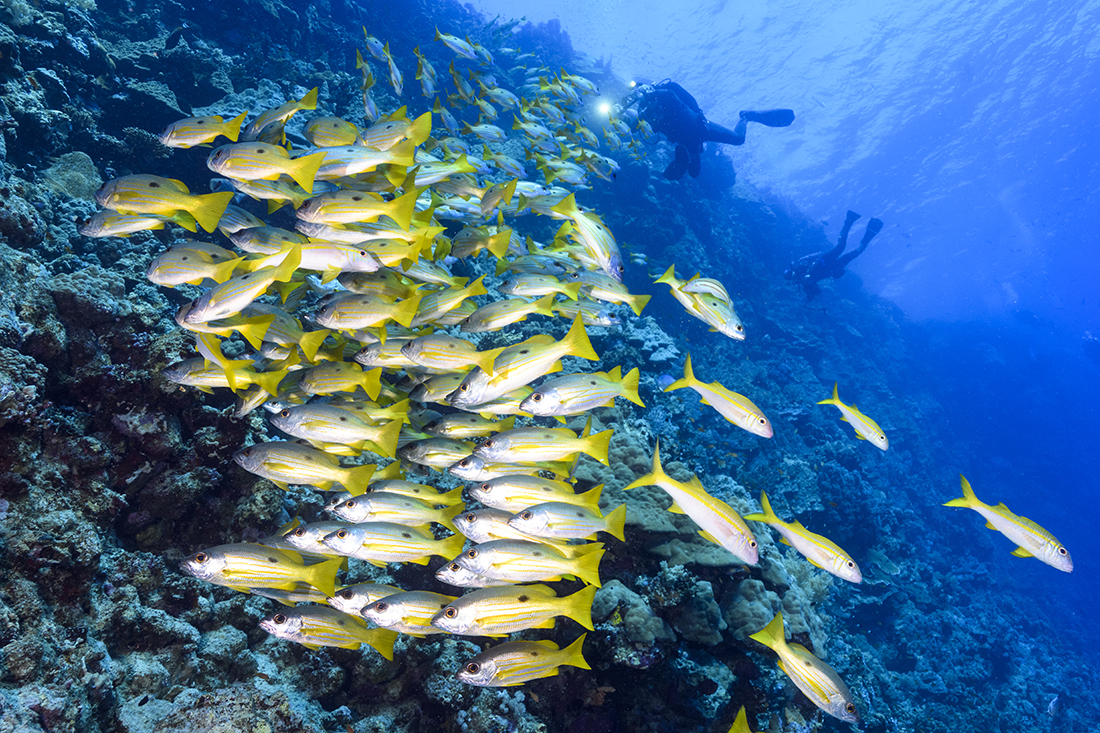
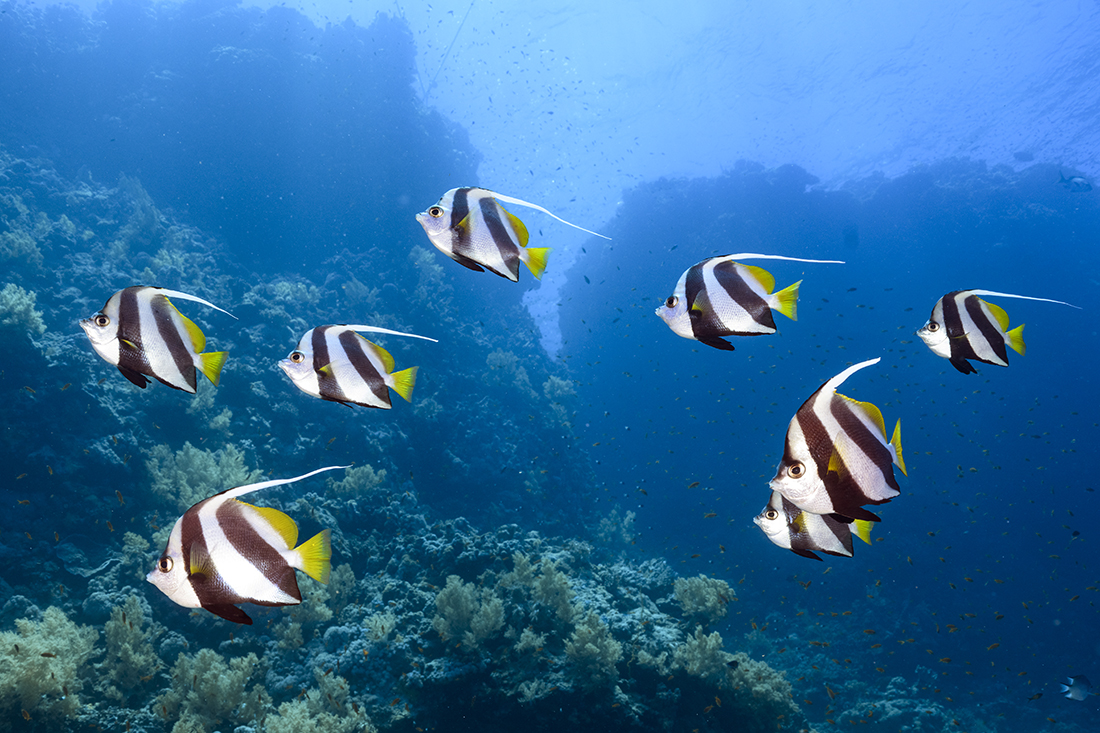
Connection to the Indian Ocean by way of the Bab-el-Mandeb Strait to the south, the Red Sea an inlet sea sandwiched between Africa and Asia. Spanning 1,400 mi / 2,250 km long by 221 mi / 355 km at its widest point, giving the Red Sea a surface area roughly 169,000 sq mi / 438,000 sq km in size. The origin of the Red Sea began as tectonic rift some 56 million years ago which is still active as shown during three weeks of tectonic activity back in 2005 grew an additional 26 ft / 8 m wider. For all this, the Red Sea is quite shallow with 65 % averaging less than 330 ft / 100 m deep, with its extensive collection of shallow shelves harboring more than 1,500 species of fish and invertebrates along with 200 species of soft and hard corals.
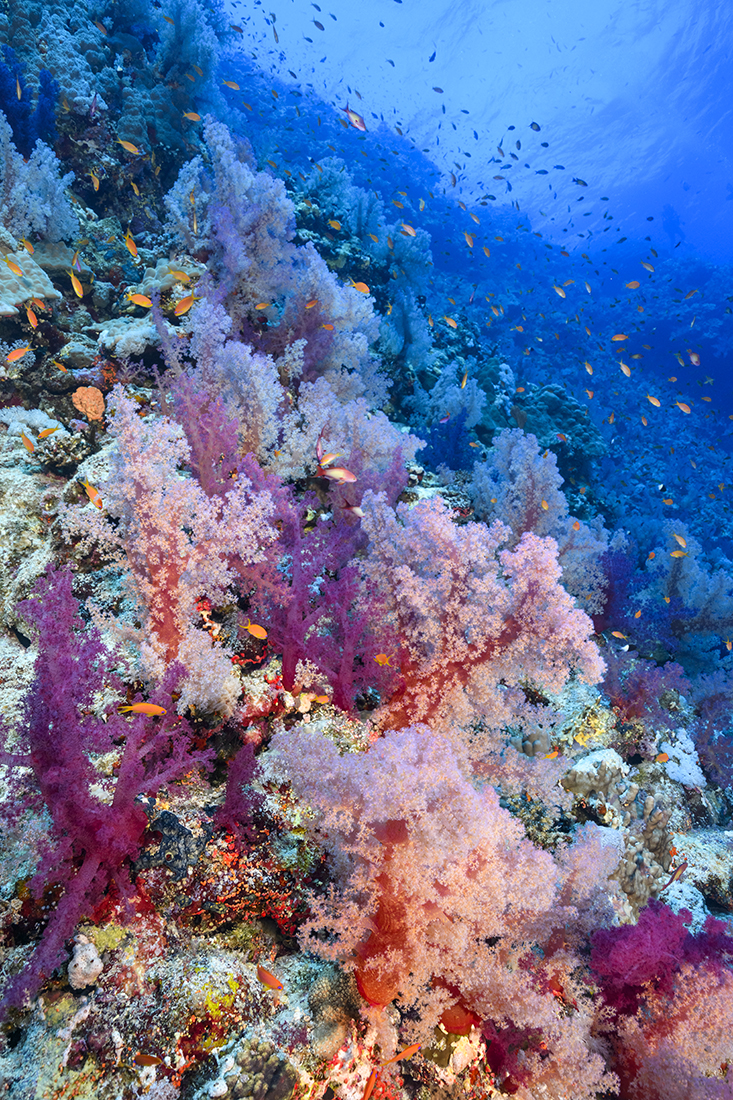
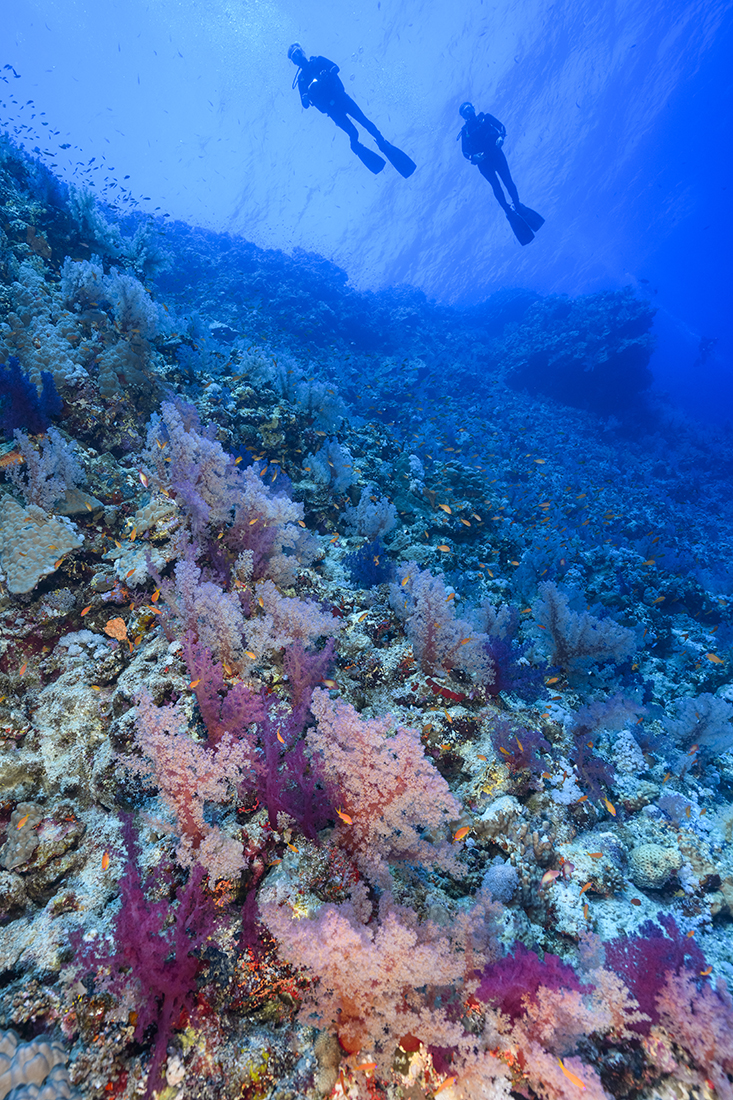
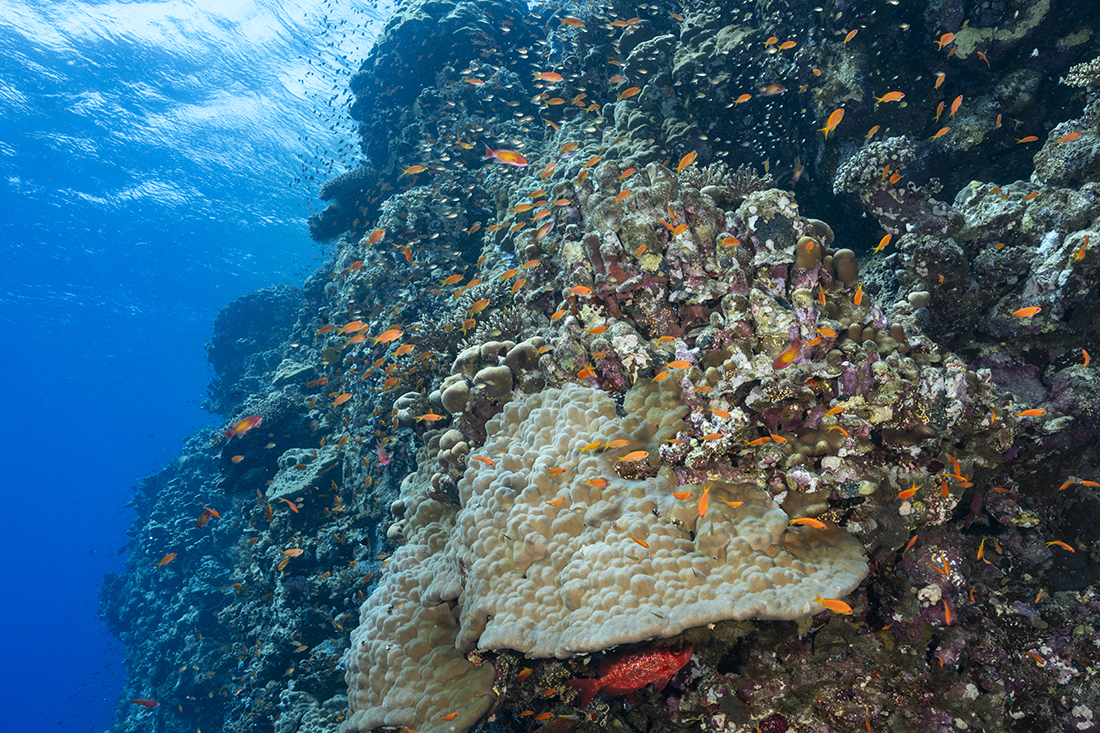
Along with an underwater topography highly akin to Daedalus, Elphinstone’s vertical face boasted far more soft corals in colorful shades of orange, red, pink and purple.
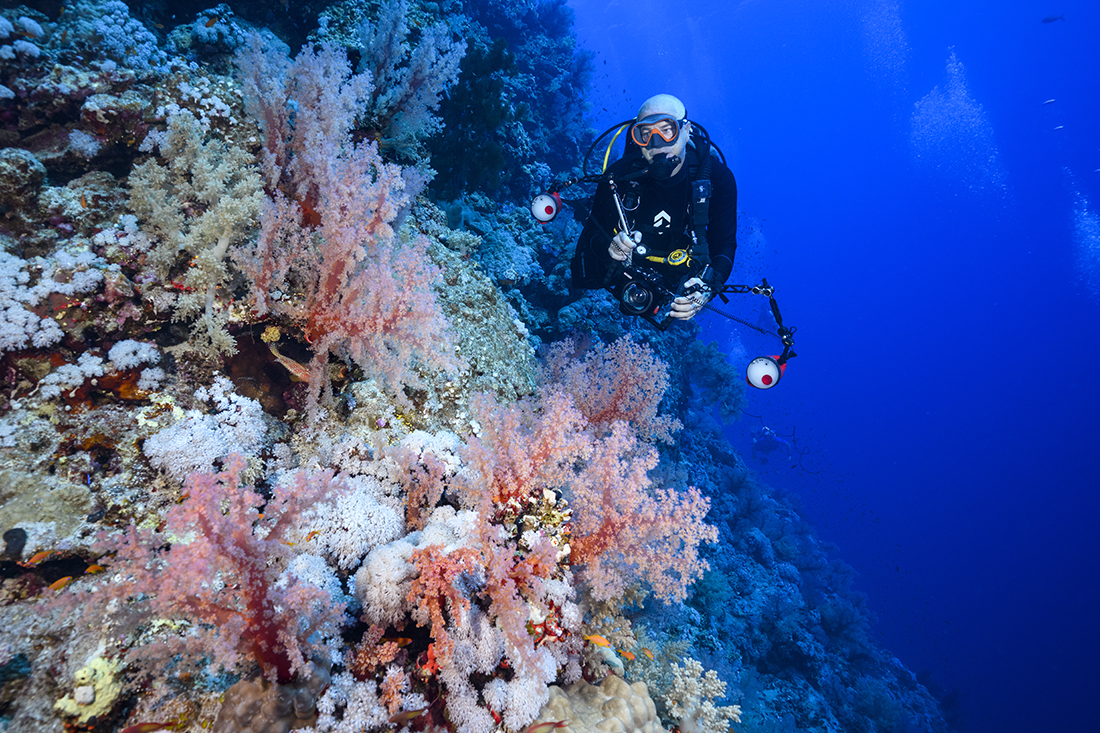
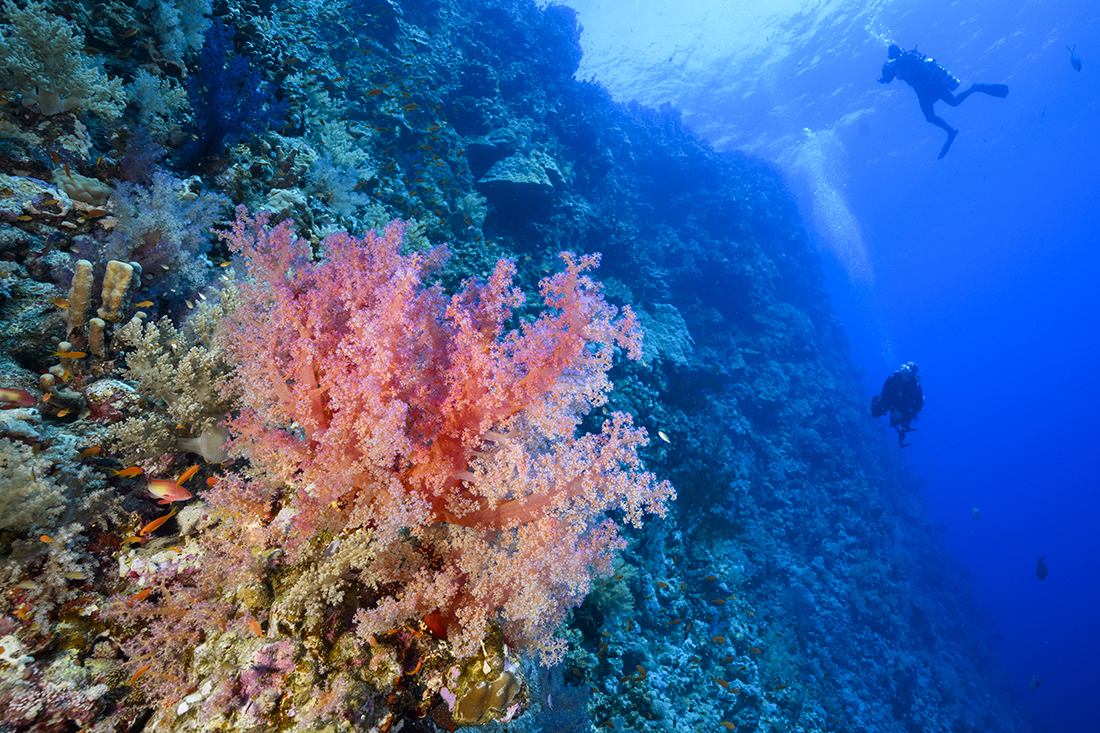
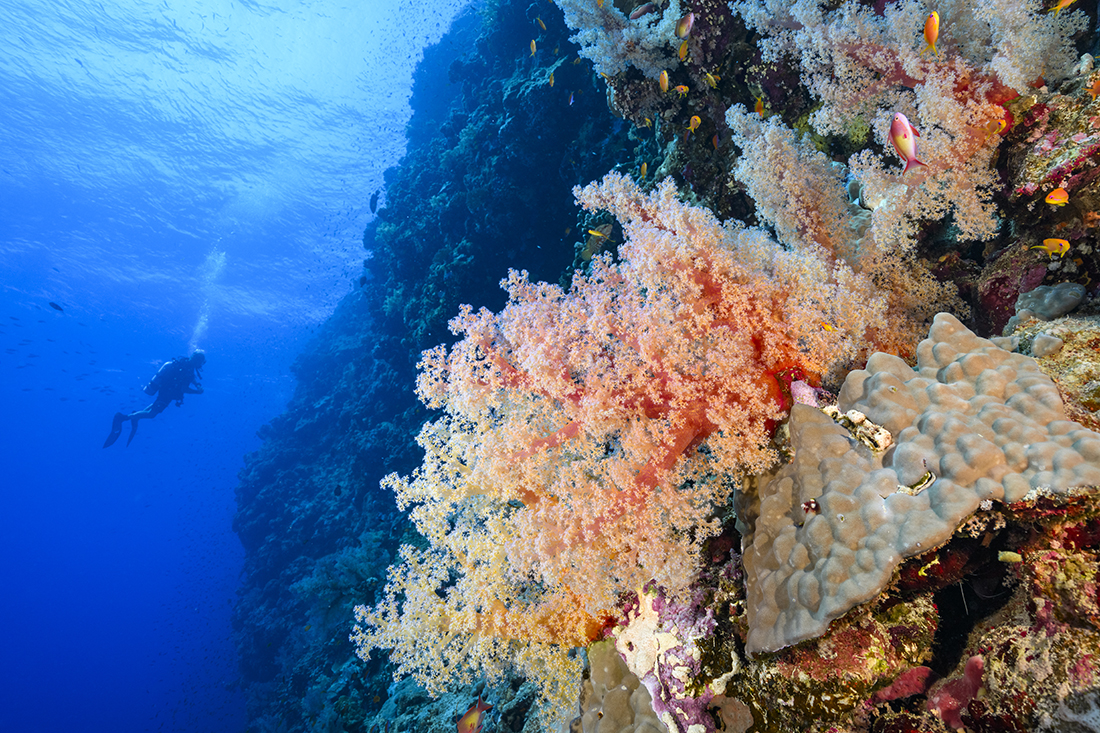
Ditto for the Brothers, two small desolate islands that don’t look like they have much going for them topside but way more once you drop in. The Brothers (both Big Brother and Little Brother) were granted marine park status in 1983 to help preserve this iconic destination’s natural treasures.
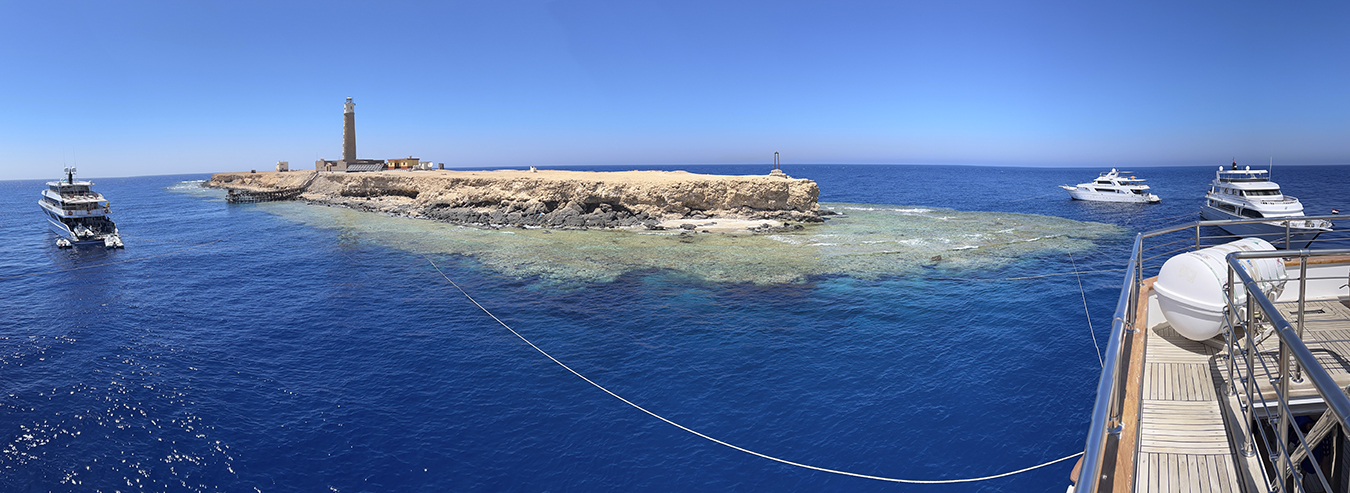

In addition to being an attraction point for pelagics, at Big Brother there is the wreck of the Numidia, a sizeable British cargo ship that sunk in 1901 after striking the reef. Resting in a near vertical position on a steep portion of Big Brother’s drop-off, only the upper portion is accessible to recreational divers where the ship’s central superstructure including some remains of the bridge begin at a depth of 66 ft / 20 m. Past the central superstructure, the main deck begins the tech divers zone as the profile of the wreck drops from a depth of 131 ft / 40 m to about 262 ft / 80 m where the ship’s propeller is lodged in the seafloor. A second wreck worth mentioning is the Aida II, a passenger ferry turned Egyptian troop transport that also had the misfortune of running into Big Brother in 1957. This one I was sorry to have missed as the wreck sits in about 100 ft / 30m of water and supposedly featured a few photo-worthy opportunities, but our schedule of one dive at Big Brother didn’t include it.
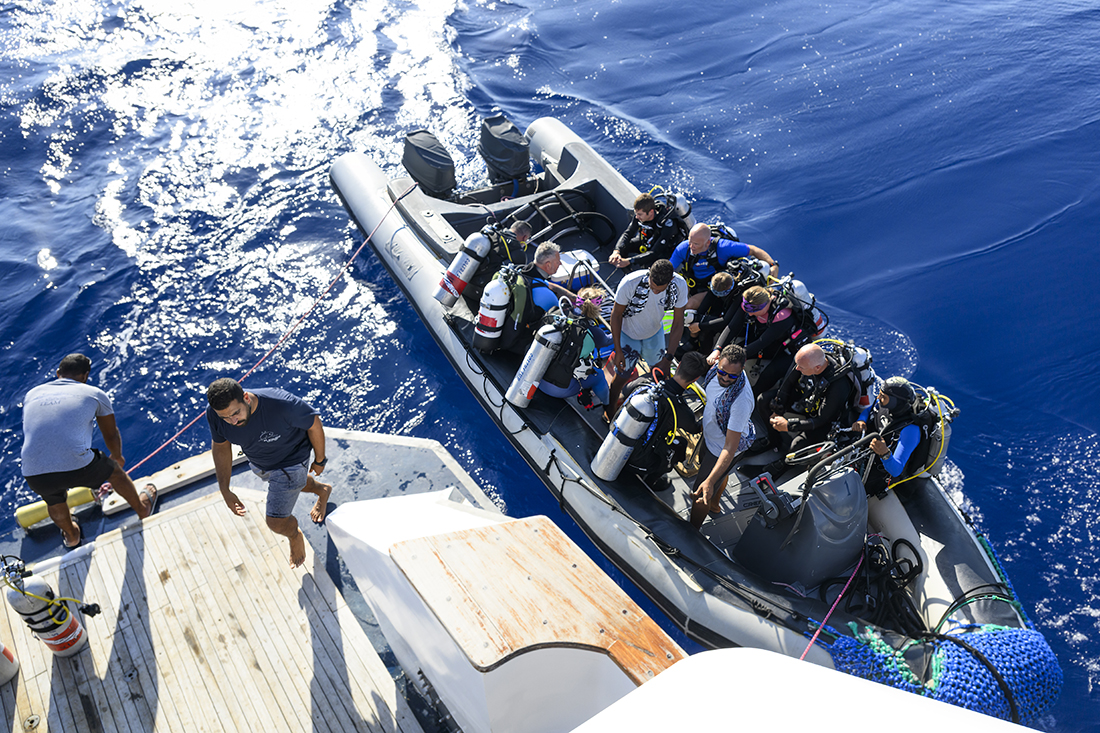

In my previous article on diving the Deep South of Egypt’s portion of the Red Sea, I mentioned our live-aboard was All Star Liveaboards 159-foot (48.5m) dive yacht Scuba Scene. For a vessel this size diving offshore reefs like Daedalus, Elphinstone and Brothers, the Scuba Scene primarily serves as a mothership using two large 26-foot, twin outboard powered ridged hull inflatables (RIBs), big enough to carry 12 divers plus two dive guides and a driver. Scuba cylinders on board comprise of a mix of aluminum 80’s and steel 100’s if your preference is for something with more weight, all of which are fitted with standard K type din valves with adapter fittings for those with yoke type 1st stages. Nitrox fills for open circuit typically run at 31 percent, but 100 percent is available for CCR divers.
Should the Scuba Scene feature a full guest complement of 28 divers, divers are split up into three groups to which the tenders act as a shuttle service dropping them off on the dive site with their guides in consecutive order. In some instances, where the dive sites topography along with the direction of the current (yes, they can be quite strong) works in their favor, the direct of the dive itself can bring you right back to where the Scuba Scene is moored. If not, the tenders systematically retrieved and brought back. When diving the wrecks and certain reef sites, both entries and exits are done from the Scuba Scenes massive dive platform.
Safety Features: fire alarms in all cabins and public areas including the Galley and Engine room. Active Cameras in all public areas as well as the Engine Room. Both the galley and engine room have an automatic fire suppression system.
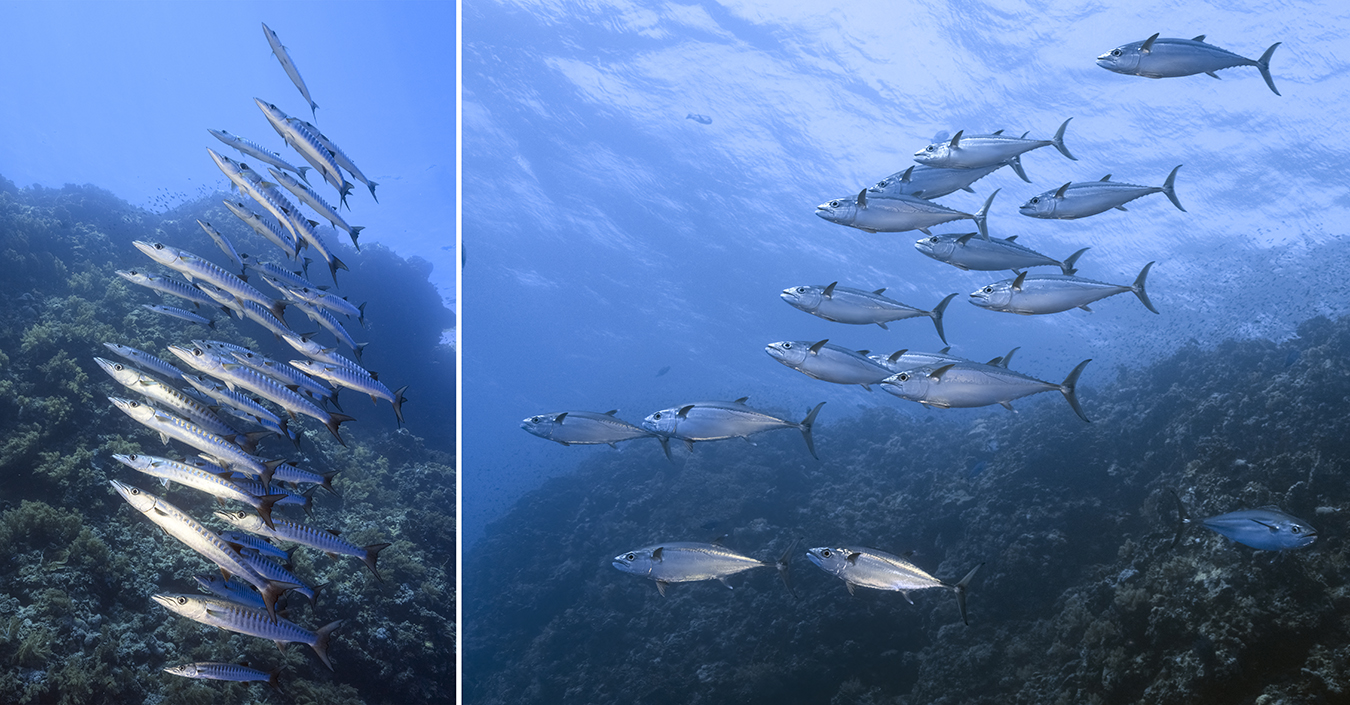
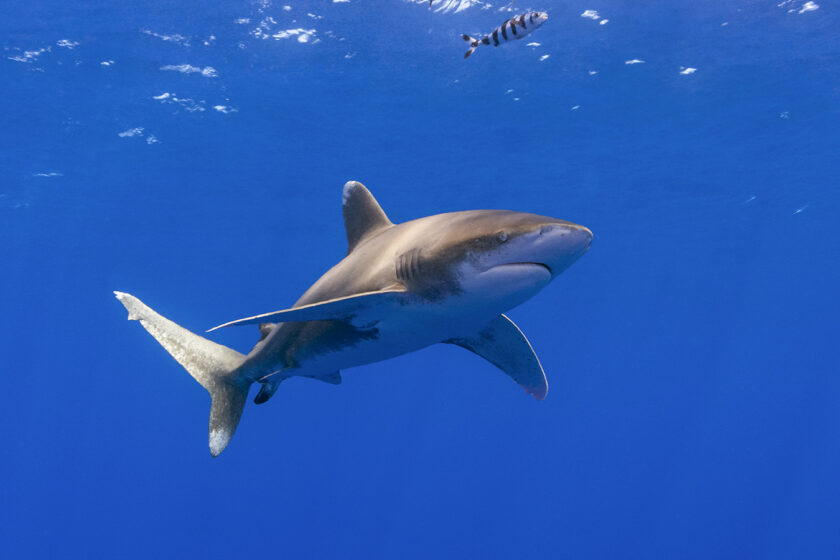
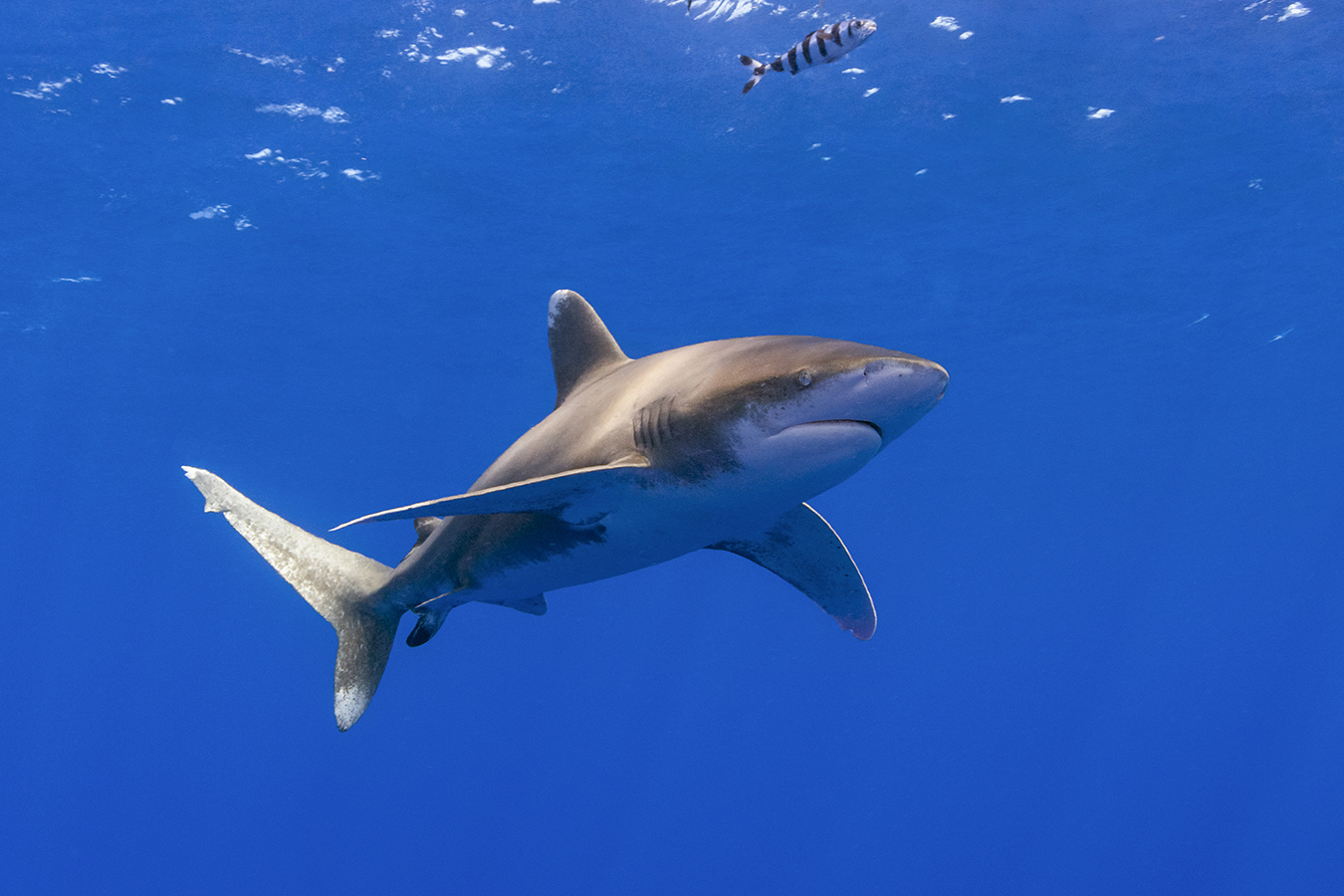
Surrounded by a very deep stretch of open see, Ephinstone and the Brothers features a high propensity for visitations from pelagic forms of marine life; of which can include oceanic whitetip sharks. Being the middle of July when the Red Sea is at its warmest (a toasty 87 F / 30 C) I only got a glimpse of one cruising the blue. During the winter months (Dec – March) when water temps are cooler and more to their liking, my odds of seeing these magnificent sharks would likely have been seven-fold. However, during the two dives at Ephinestone we were visited by a school of hefty size dogtooth tunas.
Wreck of the Salem Express
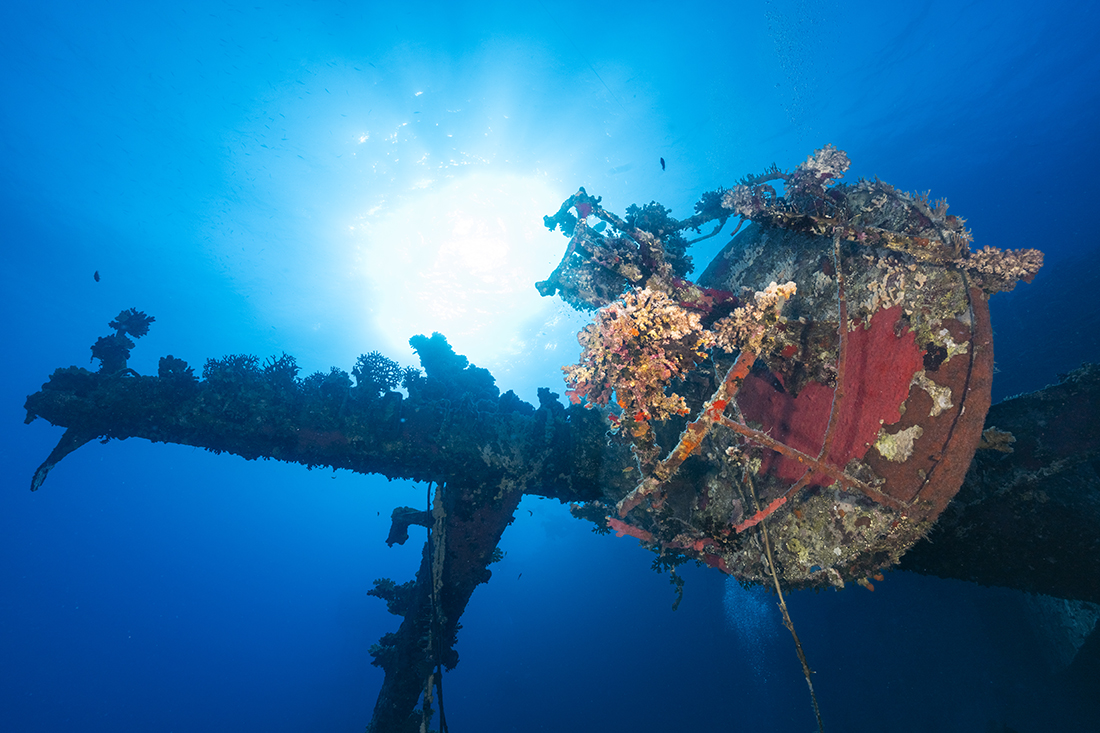
Virtually every shipwreck is wrap in a story outlining some form of tragedy be it war, storm or mishap. The tail of the Egyptian-French roll-on/roll-off passenger ferry, the MV Salem Express is a horrific one.
What started out as a routine voyage between Egypt and Saudi Arabia on December 14, 1991, took an unexpected turn when the ship struck a coral reef shortly after 11:00 pm some 6–10 miles / 9.7–16.1 km offshore of the Egyptian coast.
With a hole torn in the forward starboard bow and ship’s bow doors used for loading and off-loading cars knocked open the ship reportedly sank within 10-20 minutes of striking the reef.
The official death toll was 470, it is believed that the ship was overloaded with some 1,600 passengers, the majority of which were pilgrims returning from Mecca in Jeddah, Saudi Arabia. Regardless of the number, only 180 survivors were plucked from the water.

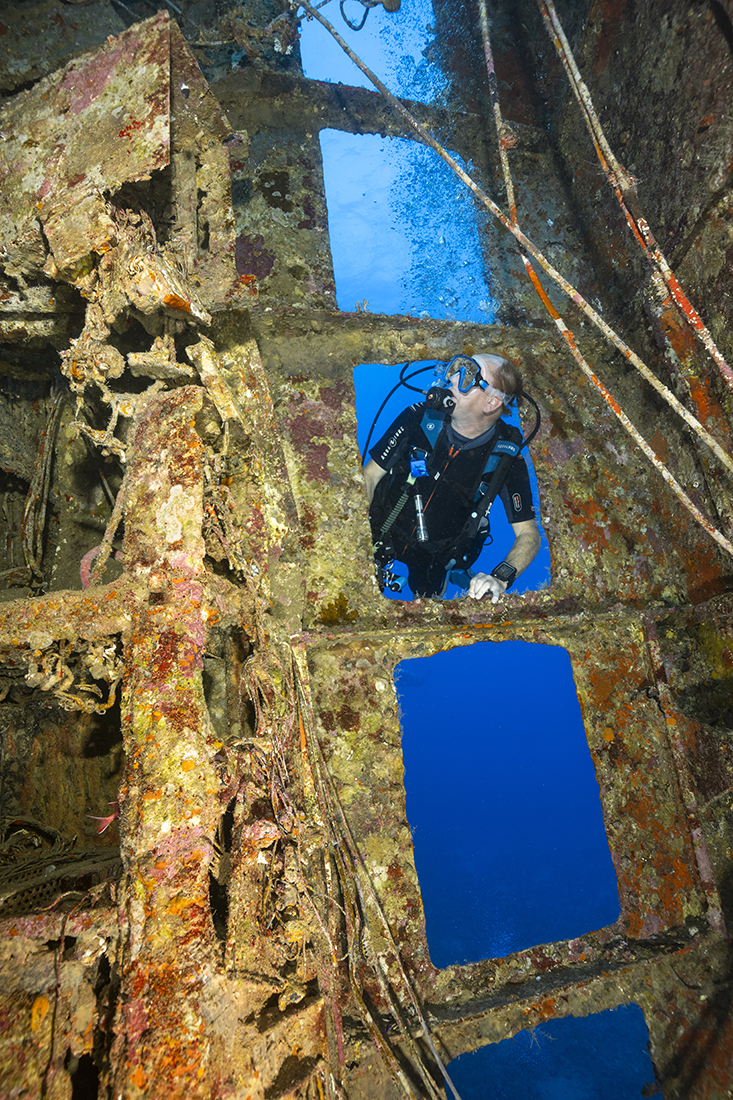
Owing to the tragic loss, I felt conflicted diving this wreck. In spite of the wreck still fully in tack resting on its starboard side in 100 ft / 30 m placing its port side a mere 39 ft / 12 m from the surface, I could not shake the eeriness of seeing the inner passageways still litter with luggage, shoes and other personal belongings. In the end I stuck to exploring the Salem’s huge bridge and upper decks areas to the ship’s massive twin propellers as they provided more interesting subject matter for photos.
On the Way to the Sinai Peninsula
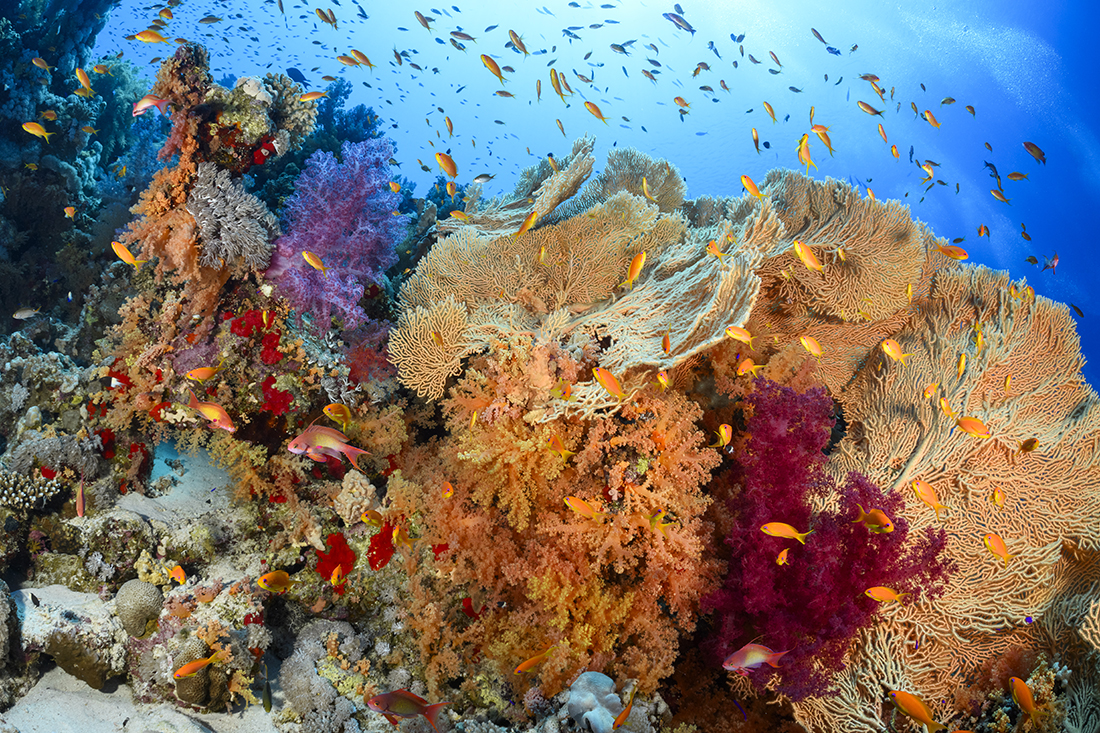
Before making the jump to the Sinai Peninsula to finish our Red Sea Odyssey in Sharm El Sheik which will include Ras Mohammed, the Straits of Tiran and wrecks like the Thistlegorm, we dogged our way back to the coast make a couple stops at both Tobia Arbaa Panorama Reef. Between the two, I really enjoyed Panorama Reef as it turned out to be the most stunning in terms of color than any reef I had seen this trip.
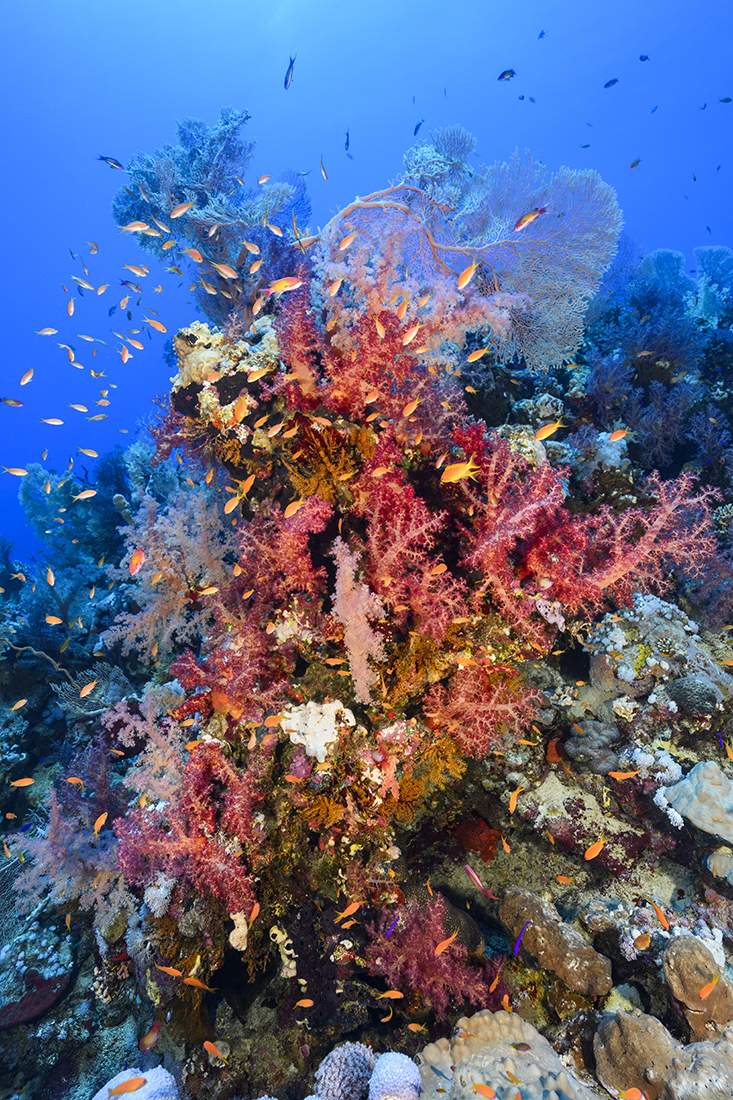
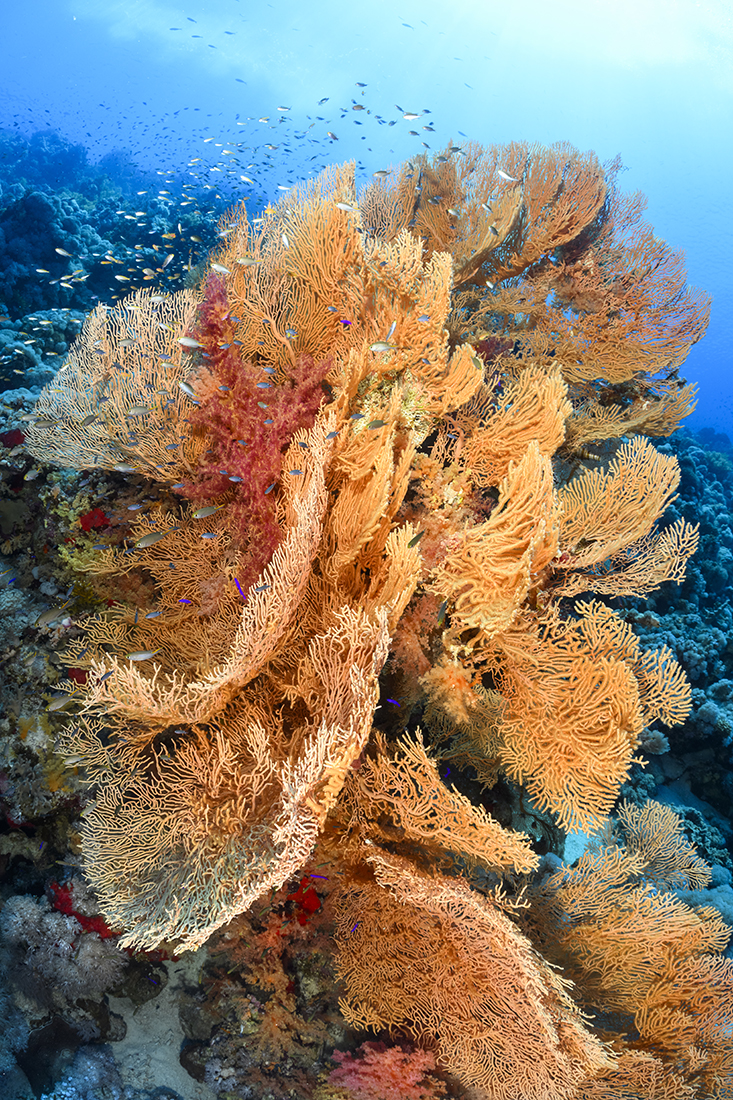
According to the guidebooks, Panorama Reef is one of the largest single reef formations from Egypt’s coastal port of Safaga that gets its name from the underwater panoramic nature its plateaus and vertical walls provide.
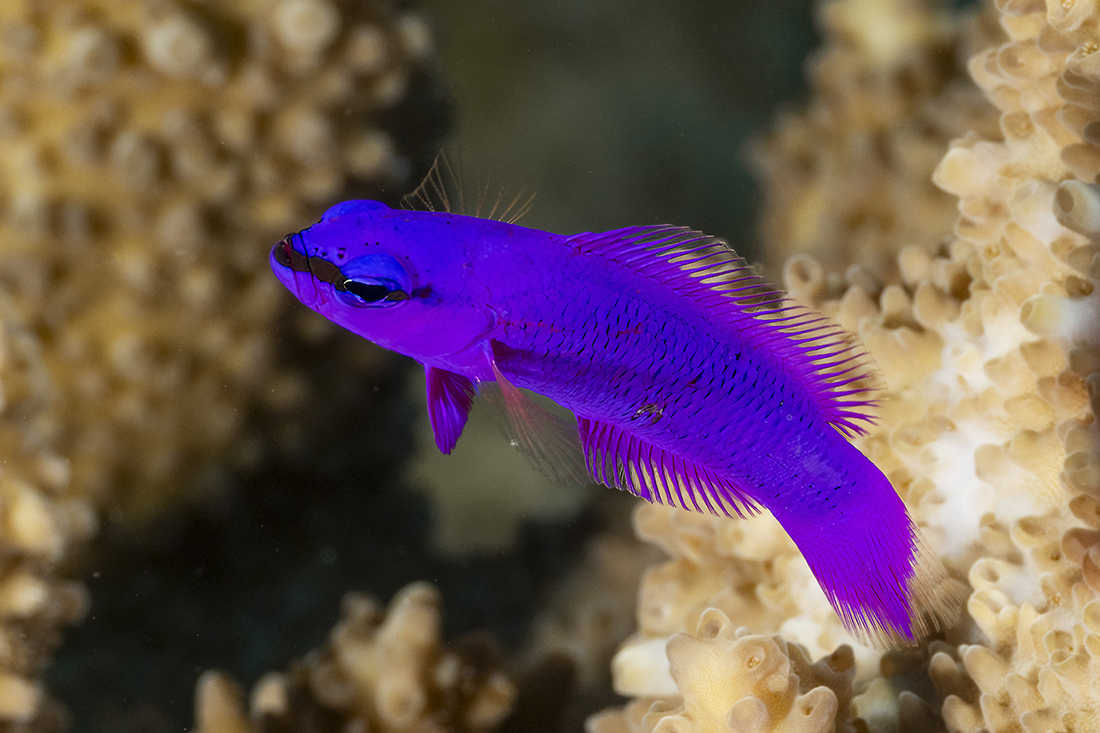
The underwater topography this elongated oval shaped reef provides a long stretch of vertical walls dropping straight down from a depth of 3 ft / 1 m to around 1140 ft / 350 m. At both its northwestern and southeastern end feature a series of shelfs stepping down past 114 ft / 35 m.

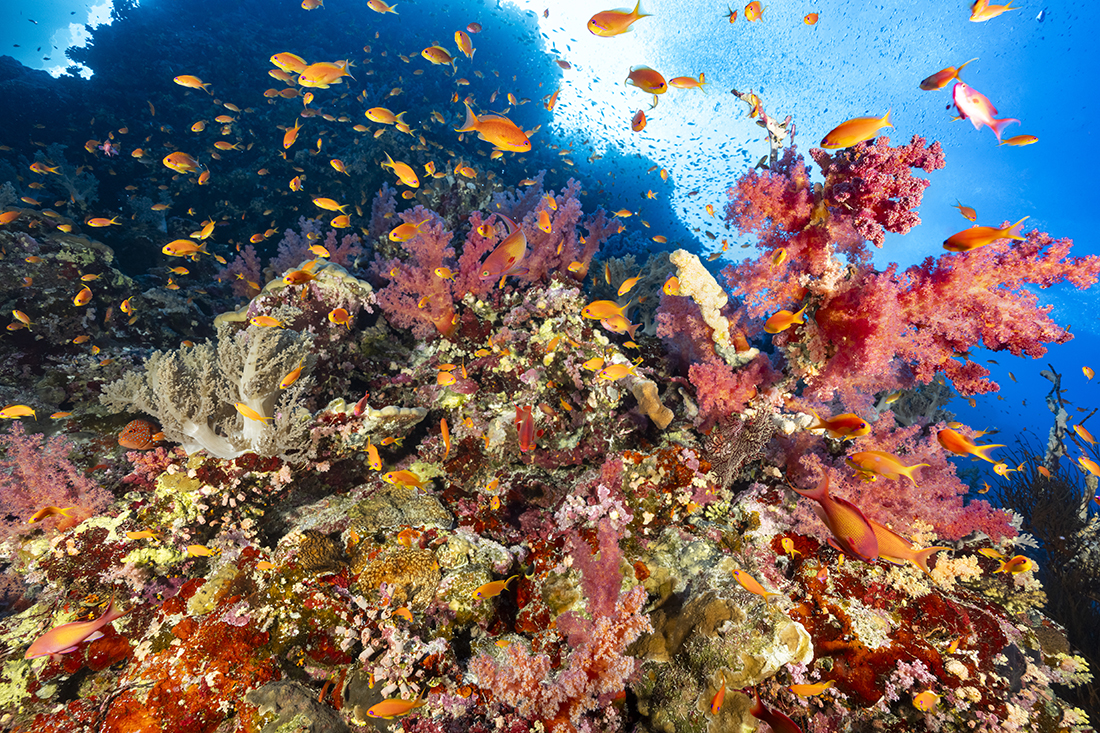
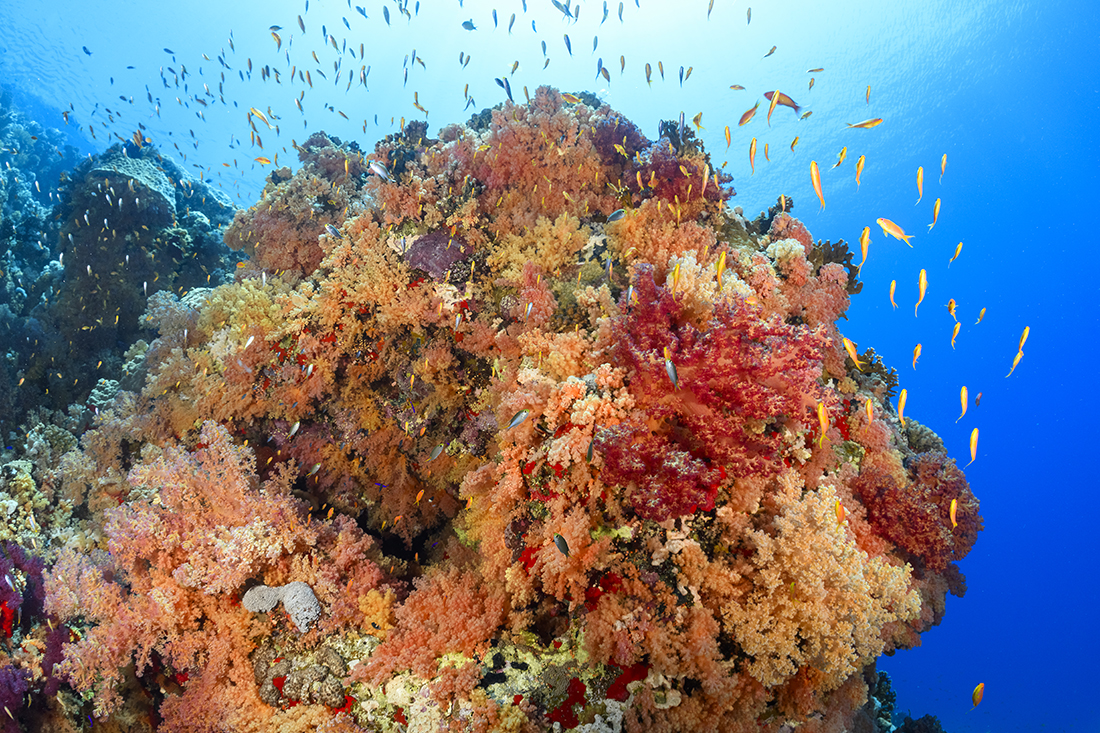
While Panorama Reef is not noted for the type of large pelagics that typically come around Daedalus, Ephinstone and Brother, it is highly prone for some respectable size Napoleon wrasses and sea turtles. Plus, the underwater seascape is even more colorful in featuring a wider array of soft corals in various hues as well as giant sea fans in brilliant shades of orange.
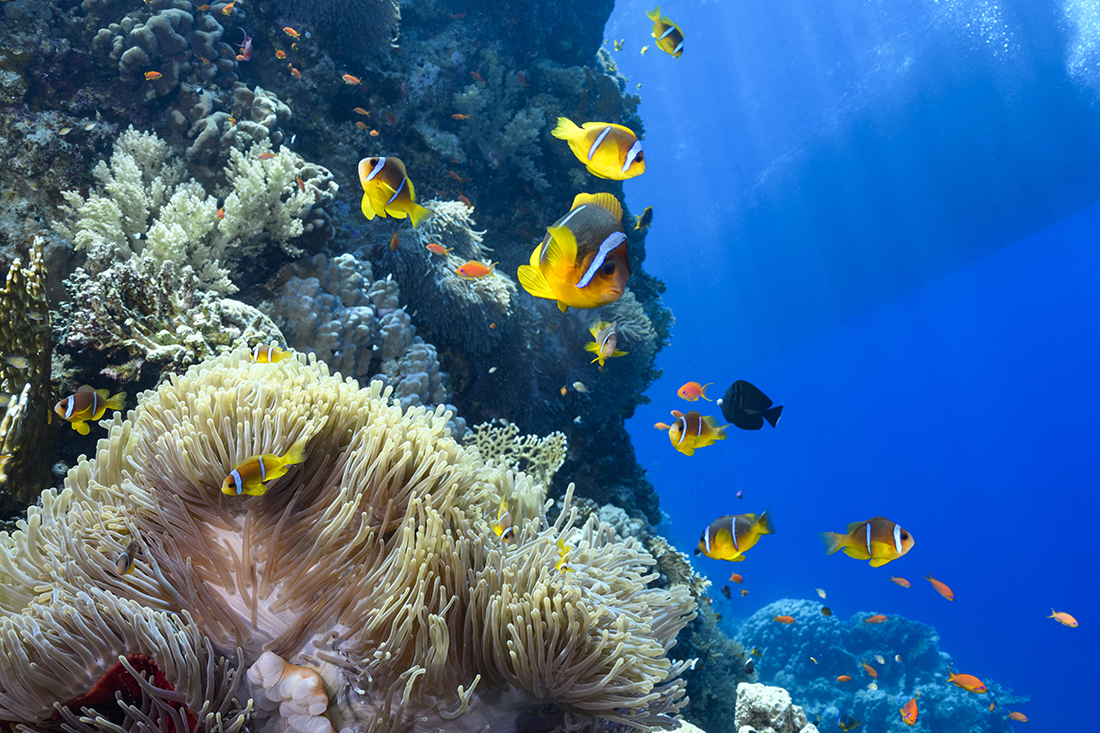
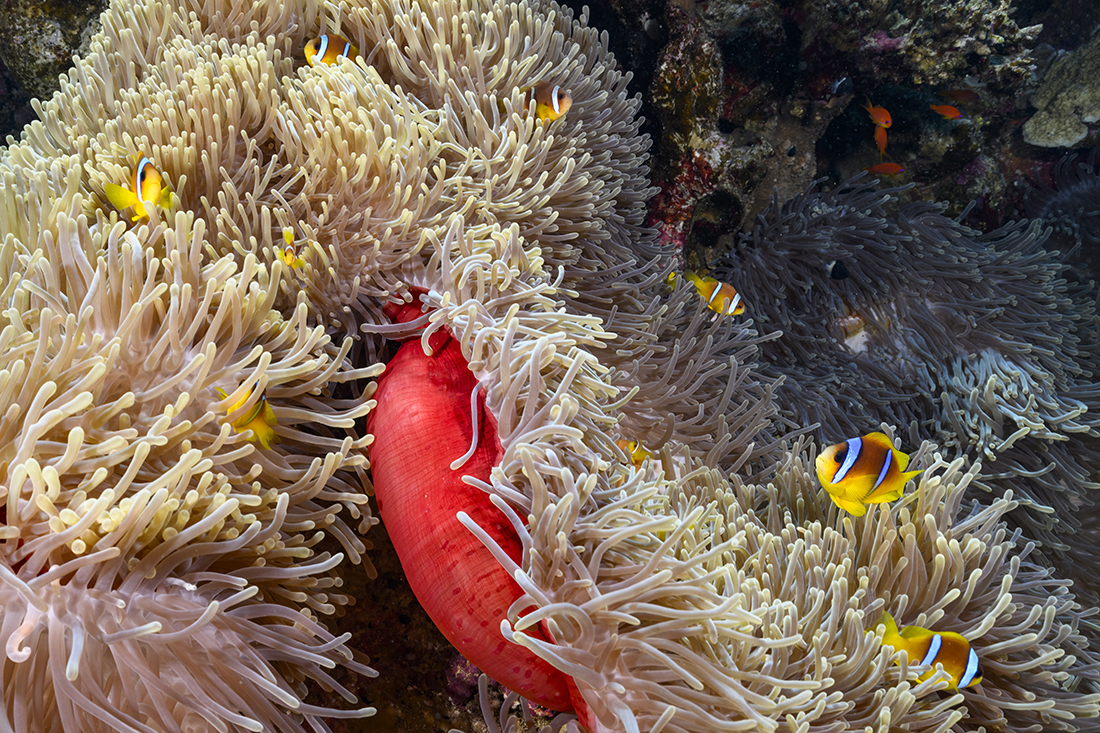

On Panorama’s northwestern corner, resided a large colony of anemonefish with their host anemones which made a great time killer during a safety stop.
So far, so good! Can’t wait to see what the next few days have in store.
